
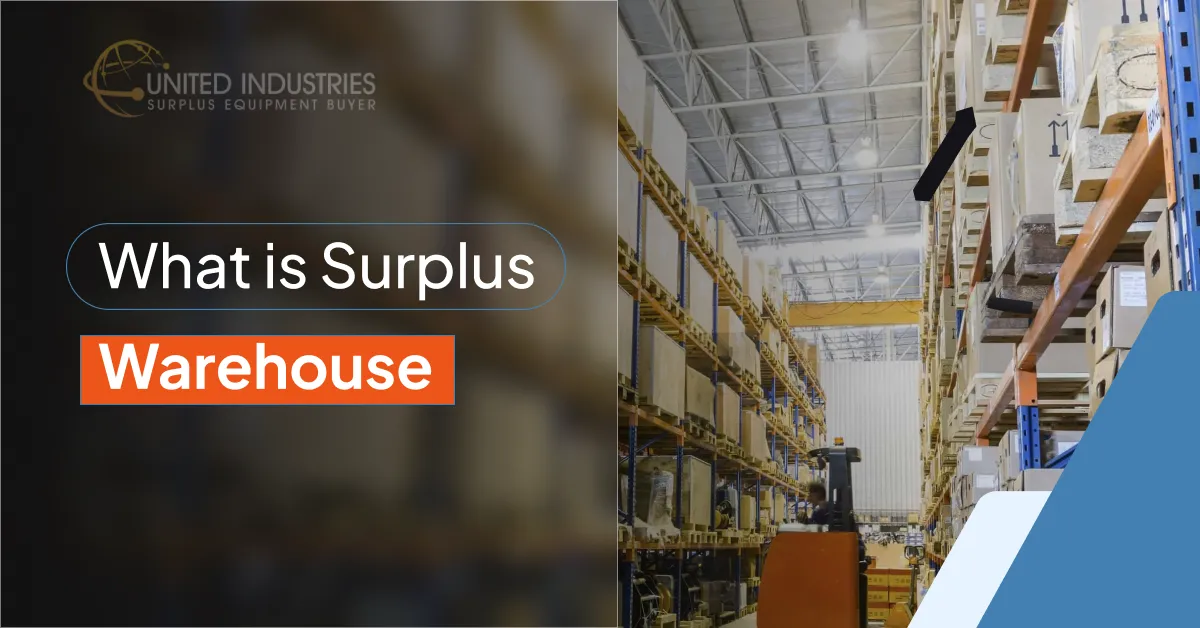
Ever wondered what is surplus warehouse? These places are actually a smart shopper’s hidden gem, offering amazing deals and helping to cut down on waste. They’re where excess inventory finds its way to consumers seeking smart buys. This includes everything from former government supplies to business overstock and discontinued items.
It started as a way for governments to get rid of extra military stuff after wars. But now, it’s grown into a whole different kind of shopping experience, dealing with leftover products from all sorts of businesses. You’ll find bargain hunters, people who love DIY projects, small business owners, and folks who care about the environment all checking out these places.
All You Need To Know About Surplus Warehouse
A surplus warehouse is essentially a retail operation that sells excess, overstock, discontinued, or slightly imperfect merchandise at deeply discounted prices. These businesses acquire products that manufacturers, retailers, governments, or institutions no longer need or want and sell them to the public at significantly reduced prices.
The concept behind surplus warehouses is simple: connect consumers with usable products that would otherwise go to waste. By operating from warehouse-style locations with minimal displays and overhead costs, these retailers can maintain lower prices than traditional stores.
Surplus warehouses typically maintain a no-frills shopping environment. You won’t find elaborate displays or extensive customer service. Instead, customers trade these conveniences for substantial savings on a wide variety of products.
Types of Surplus Warehouses
Surplus warehouses come in various forms, each catering to different product categories and consumer needs:
-
Military Surplus Stores
These establishments specialize in selling decommissioned military equipment, clothing, and gear that the armed forces no longer need. Military surplus was raised after World Wars I and II, when governments needed to dispose of massive inventories. Today, these stores offer everything from tactical gear and camping equipment to clothing designed for durability and functionality. Many outdoor enthusiasts, collectors, and practical shoppers value these items for their rugged construction and utilitarian design.
-
Building Materials Surplus:
These warehouses focus on construction and renovation supplies such as doors, windows, flooring, cabinets, and fixtures. They acquire inventory from:
-
- Manufacturer overruns
- Discontinued lines
- Building demolitions
- Contractor excess
Building materials surplus warehouses have become popular destinations for homeowners tackling DIY projects, contractors seeking cost-effective solutions, and property flippers looking to maximize renovation budgets while maintaining quality.
-
Furniture Surplus Warehouses:
These retail operations specialize in new and gently used furniture obtained through manufacturer overstock, showroom displays, canceled orders, and slight cosmetic damages that prevent full-price sales.
They often operate from large warehouse spaces with minimal displays, which allows them to offer significant discounts on everything from living room sets and bedroom furniture to office equipment and specialty pieces. The furniture surplus model eliminates expensive showrooms and sales staff, passing these savings directly to consumers.
-
University/Government Surplus:
These facilities sell equipment, furniture, and materials from educational institutions or government agencies that have been replaced or are no longer needed. University surplus stores often feature:
-
- Scientific equipment
- Office furniture
- Electrical surplus
- Even vehicles that have been cycled out of institutional use
Many operate with dual missions of generating revenue and supporting sustainability initiatives by extending the useful life of institutional purchases.
-
General Merchandise Surplus:
These warehouses carry diverse consumer goods from various sources, including:
-
- Retailer overstock
- Discontinued items
- Seasonal merchandise
- Closeout inventory
The selection constantly changes based on available acquisition opportunities, creating a treasure-hunt shopping experience. These operations may carry everything from household goods and electronics to clothing and tools, with inventory that varies significantly from week to week.
How Surplus Warehouses Operate?
The business model of a surplus warehouse differs from traditional retail in several key ways:
Surplus warehouses usually acquire their inventory through:
- Direct purchases from manufacturers with excess inventory
- Buying discontinued product lines
- Acquiring slightly damaged or imperfect merchandise
- Purchasing overstocked items from retailers
- Obtaining decommissioned equipment from institutions
- Acquiring government surplus from auctions
This acquisition model allows surplus warehouses to offer products at 30-70% below traditional retail prices. For budget-conscious consumers, these savings can be substantial, especially on big-ticket items like furniture or building materials.
Most surplus warehouses operate with a “what you see is what you get” philosophy. This means inventory changes frequently, and once an item sells out, it may never be restocked. This creates an element of treasure-hunting that many shoppers enjoy, and you never know what you’ll find on any given visit.
Benefits of Shopping at Surplus Warehouses
Shopping at surplus warehouses offers several advantages beyond just saving money:
- Significant Cost Savings: Products are typically priced below standard retail
- Unique Finds: Access to items that may no longer be available through regular retail channels
- Environmental Benefits: Gives products a second chance instead of ending up in landfills
- Support for Sustainability: Reduces waste by extending the lifecycle of manufactured goods
- Access to Quality Products: Many items are brand-new or gently used from reputable brands
For budget-conscious consumers, contractors, DIY enthusiasts, and bargain hunters, surplus warehouses provide access to products that might otherwise be unaffordable. The environmental benefit is also significant. By purchasing surplus goods, consumers help reduce waste and extend product lifecycles.
Shopping Tips for Surplus Warehouses
To make the most of your surplus warehouse shopping experience:
- Visit frequently, as inventory changes often and unpredictably
- Inspect items carefully before purchasing, as return policies may be limited
- Be flexible with your needs, as you might not find exactly what you want
- Bring measurements and specifications for any specific requirements
- Ask about delivery options for large items, as some surplus warehouses offer limited delivery services
- Shop early in the day for the best selection, especially after new inventory arrivals
- Consider minor imperfections against the price savings
Remember that shopping at surplus warehouses requires a different mindset than traditional retail. The trade-off for lower prices is often less convenience, limited selection, and minimal customer service. However, for those willing to embrace this approach, the rewards can be substantial.
Bottom Line
Surplus warehouses offer an alternative to mainstream retail that’s worth exploring. Their continued popularity speaks to the enduring appeal of finding value while giving products a second chance at usefulness.
At United Industries, we believe in the power of surplus to transform businesses and homes. Every shelf holds potential waiting to be discovered by the right customer. Our ever-changing inventory presents opportunities that traditional retailers can’t provide. Our expert staff guides you through intelligent purchasing decisions that deliver maximum value.
Let us help you maximize your budget without sacrificing quality. Get in touch with our representatives for a free consultation!
Frequently Asked Questions
What is a surplus warehouse?
A surplus warehouse is a retail business that specializes in selling excess, overstock, discontinued, or slightly imperfect merchandise at deeply discounted prices. These facilities operate in warehouse-style environments with minimal displays and overhead costs, allowing them to offer products at lower traditional retail prices.
How do surplus warehouses get their inventory?
Surplus warehouses acquire inventory from various sources, including manufacturer overstock, discontinued product lines, store closings, government auctions, university sales, and slightly damaged goods that can’t be sold at full retail price.
Are surplus warehouse products of lower quality than retail stores?
Most surplus items are the same quality as retail products, just sold at lower prices due to being overstock, discontinued, or slightly imperfect. Many items are brand new, while others may have minor cosmetic imperfections that don’t affect functionality.
Can I return items purchased at a surplus warehouse?
Return policies vary widely among surplus warehouses. Many have limited return policies or only offer store credit. Always check the return policy before purchasing, especially for large items or electronics.
Why do surplus warehouse inventories change so frequently?
Surplus warehouses buy whatever becomes available from their sources rather than maintaining a consistent stock. Once items sell out, they may never be restocked with the same products, creating an ever-changing inventory.
Author Profile

-
Andrew Marks was born and raised in Petersburg, Virginia, where the values of hard work and family shaped his path early on. Leaving high school to join the family business, he built his career around buying and selling surplus equipment, carrying on a tradition that has long been a part of his family’s livelihood.
Beyond business, Andrew finds peace and excitement on the water, with fishing the Atlantic Ocean being one of his favorite pastimes—there’s nothing like the thrill of the big blue. Still, what he cherishes most is time spent with loved ones. For Andrew, family, food, and fellowship are the true rewards in life, grounding him in the things that matter most.
Latest entries
 Electrical EquipmentJanuary 28, 2026Arc-Resistant Switchgear: Enhanced Safety for High-Risk Environments
 Electrical EquipmentJanuary 26, 2026Dry-Type vs Oil-Filled Transformers: Pros, Cons, and Applications
 Electrical EquipmentJanuary 22, 2026Electrical Breaker Basics: How to Install, Replace, and Wire a Breaker Safely
 Electrical EquipmentJanuary 16, 2026The Risks of Storing Dead Inventory in Your Warehouse