
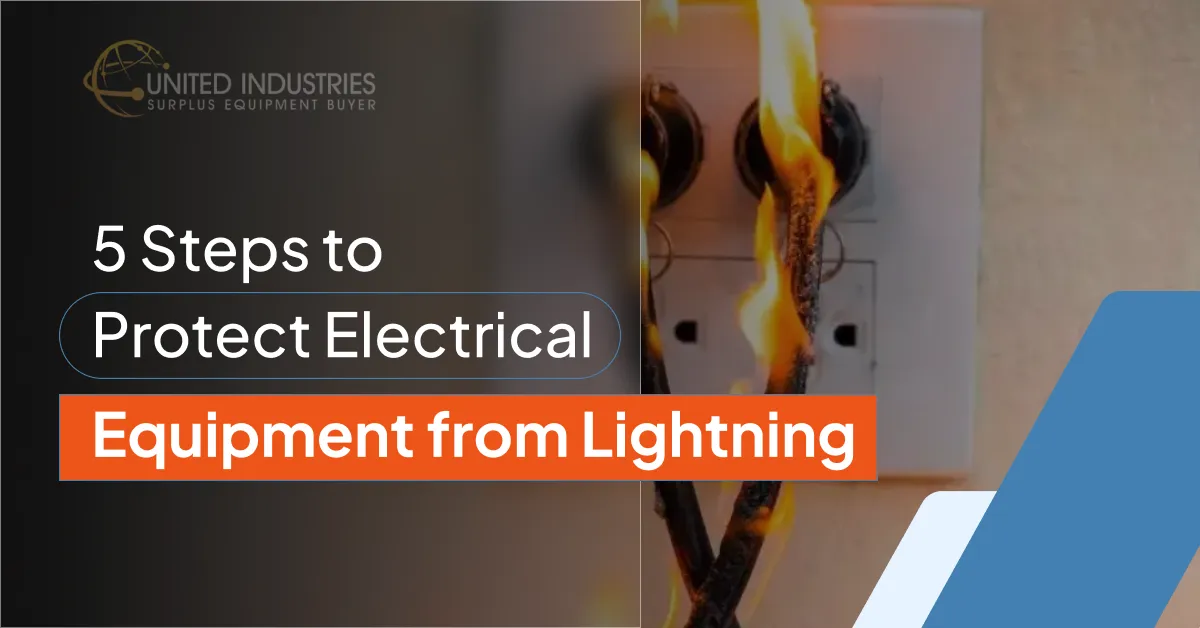
Lightning strikes pose a significant threat to electrical equipment in homes and businesses. These events can cause substantial financial losses through damage to computers, manufacturing equipment, and security systems. Beyond hardware replacement, organizations often face operational downtime and data loss.
Today’s advanced electrical equipment contains sensitive components that operate at lower voltages, making them particularly vulnerable to lightning surges. Even equipment far from a direct strike can sustain damage through power lines or communication cables.
Lightning damage occurs through multiple pathways. While direct strikes deliver enormous electrical currents, secondary effects like electromagnetic pulses and ground current dispersion can be equally damaging to equipment positioned away from the strike zone.
Effective protection requires addressing several vulnerabilities simultaneously. Single-point solutions are rarely adequate; instead, a layered approach with complementary protective measures provides the most reliable defense for electrical equipment.
Step 1: Install a Lightning Protection System
A lightning protection system (LPS) creates a safe pathway for lightning current, directing it away from equipment and into the ground. This system intercepts lightning before it enters your building’s electrical system.
Key Components Your Protection System Must Include
- Lightning Rods: Metal rods at the highest points of your building to intercept strikes.
- Down-Conductor Network: Conductive pathways allow lightning current to travel from roof to ground.
- Earth-Termination System: This component dissipates electrical charge into the earth.
- Bonding and Earthing Connections: Prevents voltage differences between system components during a strike.
For sensitive equipment, a Faraday cage provides enhanced protection by creating a conductive shell around critical areas.
Professional Installation Requirements
LPS installation requires expertise to comply with standards like NFPA 780 or IEC 62305. Installation costs range from $2,000 to $4,500 for homes, with regular inspections needed every 3-5 years.
Step 2: Implement Surge Protection Devices at Critical Points
While lightning protection systems handle direct strikes, surge protection devices (SPDs) defend against voltage surges through power lines. Even distant strikes can send powerful surges that damage unprotected equipment.
SPDs detect voltage spikes and divert excess energy to the ground before reaching your equipment. Comprehensive protection requires multiple layers throughout your electrical system.
Strategic Placement for Maximum Protection
- Main Electrical Panels: Install Type 1 SPDs at your service entrance to handle powerful surges from outside power lines.
- Distribution Panels: Place Type 2 SPDs at subpanels supplying sensitive equipment areas as a second line of defense.
- Point-of-Use Protection: Connect Type 3 SPDs directly to valuable equipment for final filtering against remaining surges.
This “cascading protection” approach ensures each device handles progressively smaller surges for complete coverage.
Selecting the Right SPDs
Key specifications to consider:
- Voltage Protection Rating: Lower numbers indicate better protection. Choose devices with VPR under 600V for sensitive electronics.
- Response Time: Faster response times better protect sensitive equipment.
- Energy Absorption Rating: Higher joule ratings indicate better protection and longer device life.
For critical equipment, consider SPDs with monitoring capabilities that alert you when they need replacement.
Step 3: Establish Comprehensive Grounding and Bonding Systems
Proper grounding is essential for any electrical protection strategy. It provides a low-resistance path for lightning energy to dissipate safely into the earth, enabling lightning protection systems and surge protectors to function effectively.
Essential Grounding Components for Maximum Safety
- Ground Rods or Plates: Copper or copper-clad steel components that make direct contact with the earth. Rods should be at least 10 feet long to reach moisture levels that improve conductivity.
- Ground Conductors: Heavy-gauge copper cables connect your protection system to ground rods. Proper sizing prevents conductors from melting during a strike.
- Equipotential Bonding: Connects all grounding systems together, including electrical system grounds, lightning protection grounds, and building steel to prevent dangerous voltage differences.
The Importance of Low-Resistance Ground Connections
For effective lightning protection, the resistance between your grounding system and the earth should measure below 10 ohms. Solutions for difficult soil conditions include:
- Ground Enhancement Materials: Specialized backfills that improve conductivity around ground rods.
- Multiple Ground Rod Arrays: Installing rods in specific patterns to reduce overall resistance.
- Ground Rings: Copper conductors are buried around the building perimeter to connect multiple ground rods.
Regular testing ensures your system maintains its protective capacity as soil conditions change.
Step 4: Use Proper Shielding and Cabling Techniques for Protection
Even with excellent protection systems in place, improper cabling creates dangerous vulnerabilities. Lightning-induced electromagnetic fields can couple into cables, generating harmful voltages that damage connected equipment.
Effective Cable Shielding Methods
Shielded Cables
Use cables with metallic shields for critical connections. These shields intercept electromagnetic fields before they induce voltages on signal conductors. Options include foil-shielded cables for digital signals and braided-shield cables for analog signals.
Cable Conduits
Metal conduits provide additional protection for vulnerable cable runs when properly grounded at both ends.
Strategic Cable Routing Considerations
How you route cables significantly impacts their vulnerability to lightning effects:
Avoid Loops
Cable loops act as antennas for electromagnetic fields. Route cables in straight paths when possible, using right angles rather than loops when turns are necessary.
Separate Power and Data
Maintain at least 12 inches between power cables and data/signal cables to reduce interference coupling.
Entry Point Protection
Install appropriate surge protection devices where cables enter buildings:
- Coaxial protectors for antenna cables
- Ethernet protectors for data lines
- Telephone line protectors for communication systems
Zone-Based Approach
Implement protection zones where cables passing between areas of different lightning exposure receive appropriate protective measures.
Step 5: Unplug Equipment During Storms for Ultimate Safety
Despite implementing advanced protection measures, the simplest approach often provides the most reliable protection. Physically disconnecting equipment from power sources during thunderstorms eliminates any path for surges to reach sensitive electronics.
Why Unplugging Remains Effective Despite Other Protections
Even with surge protectors installed, unplugging offers these advantages:
- Complete Isolation: Removes all possible electrical paths to your equipment, providing 100% protection from power line surges.
- Protection Against Protector Failures: Surge protection devices can fail without indication, leaving equipment vulnerable.
- Defense Against Extreme Events: Severe lightning storms with multiple strikes can overwhelm even well-designed protection systems.
Equipment Prioritization During Storms
When storms approach, prioritize disconnecting:
- High-Value Electronics: Computers, servers, and equipment with sensitive microprocessors.
- Difficult-to-Replace Items: Equipment with custom configurations or irreplaceable data.
- Connected Systems: Items connected to multiple utility services face increased risk from multiple surge paths.
Beyond Simply Unplugging
For comprehensive storm protection:
- Weather Monitoring: Use weather alerts to receive advance warnings of approaching electrical storms.
- Power-Down Procedures: Properly shut down equipment before unplugging to prevent data corruption.
For businesses with mission-critical systems that cannot be disconnected, implementing redundant protection layers and backup power systems becomes especially important.
Maintaining Your Lightning Protection System for Long-Term Effectiveness
A lightning protection system is only as good as its maintenance. Even well-designed systems degrade over time due to weather exposure, corrosion, and physical damage. Regular inspections ensure continued protection for your equipment.
Essential Maintenance Schedule for Optimal Protection
Visual Inspections
Check your lightning protection system twice yearly and after major storms. Look for loose connectors, corrosion at connection points, and physical damage to components.
Professional Assessments
Have a certified specialist inspect your entire system every 3-5 years to verify compliance with current standards.
Earth Resistance Testing
Measure the resistance of your grounding system annually. Resistance values should remain below 10 ohms for effective protection.
Surge Protector Verification
Check indicator lights on surge protection devices monthly. Many SPDs include status indicators that show when protection has been compromised.
Documentation for System Management
Maintain thorough records of your lightning protection system:
- System Design Documentation: Keep original installation diagrams and specifications for reference during maintenance.
- Inspection Reports: Document all inspections, noting issues found and corrective actions taken.
- Strike Records: Consider installing lightning strike counters to track actual lightning activity at your location.
Using Electric Surplus in Lightning Protection
Lightning protection isn’t solely about installing surge protectors and grounding systems; it also involves ensuring that all electrical components are up to date and functioning optimally. Utilizing surplus electrical equipment can be a cost-effective way to replace outdated or damaged components, thereby enhancing your system’s overall resilience.
At United Industries, we offer a wide range of surplus electrical equipment suitable for various protection needs. Whether you’re aiming to buy electric surplus to upgrade your current setup or sell electrical equipment that’s no longer in use, our services ensure that your lightning protection system remains robust and reliable.
Final Thoughts
Lightning protection requires a comprehensive strategy rather than relying on a single solution. By implementing all five steps outlined in this guide, you create multiple layers of defense that work together to safeguard your valuable electrical equipment.
United Industries has provided quality surplus equipment to minimize customer downtime for over 25 years. As a family-owned business based in Petersburg, VA, we understand the critical importance of protecting industrial equipment from lightning damage. When you need replacement components for your lightning protection system, our extensive inventory offers cost-effective solutions.
Frequently Asked Questions
How far away should lightning be for it to pose a threat to electrical equipment?
Lightning strikes up to a mile away can send dangerous surges through power lines. Even more distant strikes can affect equipment connected to long cable runs, particularly in rural areas with fewer structures to absorb lightning energy.
Can lightning damage equipment through wireless connections?
While lightning cannot directly travel through wireless connections, it can damage wireless equipment through electromagnetic interference. Powerful electromagnetic pulses generated by nearby strikes can induce voltages in circuit boards and antennas of wireless devices.
Are solar panels particularly vulnerable to lightning damage?
Yes, solar panel systems are highly vulnerable due to their exposed location and extensive wiring. They require specialized lightning protection systems that address both direct strikes and induced surges through panel frames and power inverter connections.
Are power strips with surge protection sufficient for lightning protection?
Standard power strips with surge protection offer minimal defense against lightning. They typically have low joule ratings insufficient for lightning-induced surges. They should be used only as a final layer of protection after implementing more robust whole-building surge protection.
Author Profile

-
Andrew Marks was born and raised in Petersburg, Virginia, where the values of hard work and family shaped his path early on. Leaving high school to join the family business, he built his career around buying and selling surplus equipment, carrying on a tradition that has long been a part of his family’s livelihood.
Beyond business, Andrew finds peace and excitement on the water, with fishing the Atlantic Ocean being one of his favorite pastimes—there’s nothing like the thrill of the big blue. Still, what he cherishes most is time spent with loved ones. For Andrew, family, food, and fellowship are the true rewards in life, grounding him in the things that matter most.
Latest entries
 Electrical EquipmentJanuary 28, 2026Arc-Resistant Switchgear: Enhanced Safety for High-Risk Environments
 Electrical EquipmentJanuary 26, 2026Dry-Type vs Oil-Filled Transformers: Pros, Cons, and Applications
 Electrical EquipmentJanuary 22, 2026Electrical Breaker Basics: How to Install, Replace, and Wire a Breaker Safely
 Electrical EquipmentJanuary 16, 2026The Risks of Storing Dead Inventory in Your Warehouse